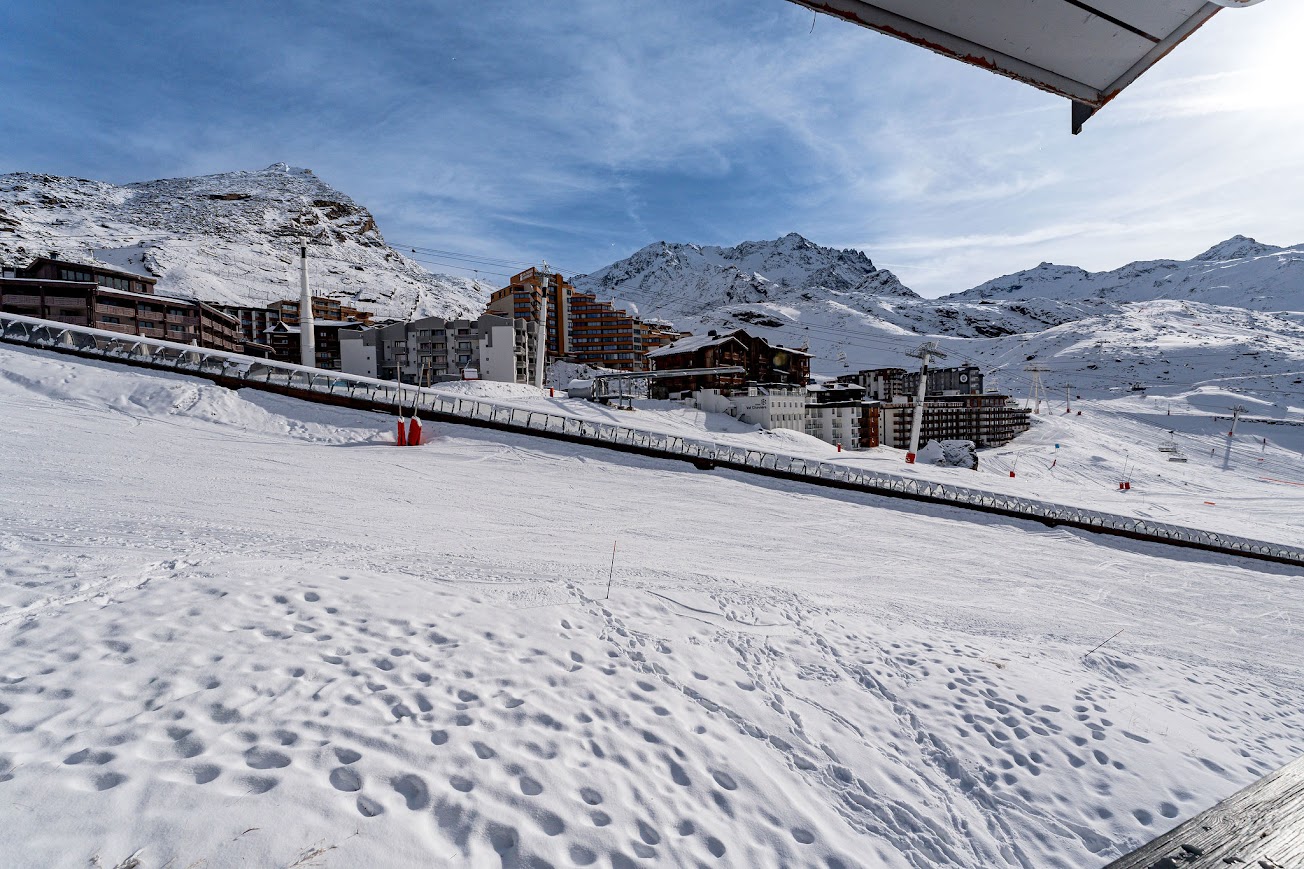
Piste
A piste is a marked and maintained ski run that has been prepared by the resort. Pistes are groomed regularly to create a smooth and predictable surface, making them suitable for skiers of all abilities. When someone asks which piste you skied today, they are simply asking which run you chose.You will hear the word piste everywhere, from ski instructors giving directions to fellow guests chatting about their favourite runs over dinner in the chalet.
Off Piste
Off piste skiing refers to skiing outside of the marked and groomed runs. This ski jargon is often used when talking about fresh snow, natural terrain and more adventurous routes. Off piste conditions change daily and require experience, knowledge and its recomended a guide.
Après Ski
Après ski describes the time spent relaxing and socialising after a day on the slopes. It can mean anything from a quiet drink back in the chalet to meeting friends in a bar or enjoying a dip in the hot tub with friends! This ski jargon is used daily in resorts and often comes up during afternoon conversations about plans once the lifts close. For many guests, especially families and groups, après ski is about unwinding together in a comfortable, welcoming space.
Tip & tail
The tip and tail refer to the front and back ends of a ski or snowboard. Properly controlling the tip and tail is key to smooth turns and maintaining balance on the slopes. Skiers often “release the tails” or “lead with the tips” to adjust their technique depending on the snow and terrain.
Chairlift
A chairlift is an open ski lift with seats that carry skiers up the mountain while their skis remain on. Chairlifts come in different sizes and speeds, and they are one of the most common ways to access pistes in the French Alps. You will hear this ski jargon used by lift staff, instructors and other skiers giving directions.
Gondola
A gondola is an enclosed lift cabin that transports skiers uphill. Gondolas are often used for longer journeys, higher altitude access or in colder weather, making them popular with families and less confident skiers. This term is commonly heard during morning planning discussions or when meeting points are arranged. Knowing this ski jargon makes navigating the resort simpler and more enjoyable.
Powder
Powder refers to fresh, light snow that has fallen recently and has not yet been compacted. It is one of the most talked about snow conditions and is often mentioned with excitement after snowfall. You are likely to hear this early in the morning, over breakfast in the chalet or while waiting for the first lift of the day. Powder days are memorable for skiers of all levels and add to the magic of a winter holiday.
Groomed
A groomed piste has been prepared overnight by snowcats to create an even surface. Groomed runs are particularly popular with families, intermediate skiers and those who enjoy smooth, predictable conditions. This ski jargon is often used in daily snow reports and casual conversations about which areas of the mountain are skiing best.
Bluebird Day
A bluebird day describes perfect ski conditions, with clear blue skies, sunshine and excellent visibility. It usually follows fresh snowfall and is considered the ideal day to be on the mountain. You will hear this ski jargon used enthusiastically by hosts, instructors and guests alike, often as soon as the curtains are opened in the morning.
Snowplough
Snowplough is a beginner skiing technique where the ski tips point inward to control speed and direction. It is one of the first skills taught in ski school and is especially relevant for children and first time skiers.
Parallel Skiing
Parallel skiing is the next stage of progression after snowplough, where skis remain side by side while turning. It indicates growing confidence and control on the slopes. This term is commonly used by instructors and experienced skiers discussing technique and improvement.
Traverse
To traverse means to ski across the slope rather than directly downhill. This ski jargon is often used when giving directions or helping skiers move safely between areas of the mountain. You are most likely to hear it during lessons or when navigating unfamiliar pistes, making it a useful term for skiers and non skiers alike.
Ski In Ski Out
Ski in ski out describes accommodation where you can ski directly to and from the property. It is a term associated with convenience and ease, especially for families and groups. You will hear this ski jargon used when discussing accommodation options and daily routines, and it is often appreciated by guests looking for a smooth, stress free ski holiday.
Last Run
Last run is the final ski of the day before heading back to the chalet. It is often talked about with satisfaction and sometimes a little reluctance, especially on great snow days. This ski jargon is commonly used in afternoon conversations and adds to the shared rhythm of life in the mountains.
Crud
Crud (sometimes called chowder) refers to snow that has been skied on and partially melted and refrozen, leaving a rough, uneven surface. It can be challenging to ski through, especially at speed, but it’s also where experienced skiers can show off their technique.
Whiteout
A whiteout happens when heavy snow, fog, or cloud cover reduces visibility so much that the horizon and terrain blend together. It can make it tricky to see slopes, obstacles, or changes in terrain, so skiers need to slow down and stay extra cautious.
Ski Vertigo
Ski Vertigo is a specialist ski holiday company that organises tailored trips to the French Alps. Known for their expert knowledge, hand-picked resorts, and high-quality chalets, Ski Vertigo ensures a smooth, enjoyable, and memorable alpine experience for skiers of all levels. From direct return transfers to ski-in ski-out accommodation, they take care of the details so you can focus on making the most of your holiday.
Ski Famille
Ski Famille is our sister brand, dedicated to making family ski holidays effortless and fun. With in-chalet childcare, ski lessons and kids clubs that make sure everyone’s having fun! From little ones to parents, everyone can enjoy the slopes, the chalet, and the alpine atmosphere without a worry.
Ski Jargon Made Simple
Learning ski jargon is not about sounding like an expert, but about feeling comfortable! It helps conversations flow, removes uncertainty and allows you to focus on enjoying the experience rather than working out what people mean. Whether you are skiing every day or simply soaking up the alpine atmosphere, understanding ski jargon helps you settle in quickly and make the most of your time in the French Alps.